IPTV vs Cable in Ireland: The Direct 2026 Cost & Performance Comparison
Eoin O'Connor · Senior Network Infrastructure AnalystPublished June 30, 2026 · 7 min read
Feature illustration
The Financial Breakdown First
The core of any iptv vs cable ireland decision is structure, not just price. Legacy copper-line distribution ties you into multi-year fixed contracts and mandatory hardware rental fees — set-top boxes and multi-room units you pay for monthly but never own. Modern internet-based setups flip that model: software-driven, no-contract, and portable. When you break the bill down to true cost-per-channel, the legacy model carries a large fixed overhead for capacity most households never fully use, while an IP-based line scales to what you actually watch.
Technical Infrastructure: Fixed RF Coaxial vs. Dynamic IP Transport
The two platforms move video to Irish homes in fundamentally different ways. Traditional cable and satellite rely on Radio Frequency (RF) signalling over physical terrestrial or coaxial infrastructure. The signal is broadcast continuously to a fixed location and decoded by dedicated tuner hardware in the home. That architecture is robust but rigid: the service is locked to one address, every additional room needs another physical decoder, and you cannot take the subscription with you.
Over-the-top (OTT) data architectures work on packets, not continuous RF. Video is fragmented into small chunks using transport standards such as MPEG-TS and HLS, then routed dynamically from regional Content Delivery Networks (CDNs) over local FTTH (Fibre-to-the-Home) lines. Because the stream is just data, it can be requested by any authorised device on the network — a TV in the lounge, a tablet in the kitchen, a phone on the move — without extra hardware per screen.
This is the structural reason IP delivery feels so much more flexible: linear broadcast channels are pushed to one box, whereas IP fragments are pulled on demand to many. It also means quality tracks your connection rather than a fixed transponder, so a strong fibre line can deliver sharper, more stable 4K than an ageing coaxial run. For the legal context behind which IP services are legitimate, see our IPTV legal framework in Ireland.
The 2026 Utility Matrix: IPTV vs Cable Ireland Feature-by-Feature
Here's how the two systems compare across the metrics Irish households actually feel month to month:
Comparison Metric
Legacy Cable / Satellite
Internet Protocol TV (IPTV)
Practical Advantage
Monthly Subscription Cost
High fixed overhead
Lower, scales to use
IPTV
Contract Lock-in
12–24 month terms
No contract
IPTV
Hardware Portability
Fixed to address
Any device, anywhere
IPTV
Multi-room Overhead
Extra box per room
Add a device, no rewiring
IPTV
Weather Interference
Rain fade on satellite
Unaffected (wired data)
IPTV
Heavy Irish rain attenuation is a genuine factor for satellite reception; a wired IP line carries no such signal-fade risk.
Legacy wiring complexityApp-layer install
Bandwidth Demands & Local ISP Data Requirements
The one real trade-off is data. Legacy systems consume no domestic internet at all, whereas a digital line draws on your broadband. The numbers are modest for any modern fibre connection: a stable HD stream needs roughly 8–10 Mbps, while a 4K 60fps stream wants a minimum of 25 Mbps of unthrottled, sustained downstream. The keyword there is sustained — a line that bursts fast but sags at peak times will buffer where a steady 25 Mbps will not.
Before you cancel any traditional line, confirm your connection can hold that profile. The simplest way is to test your real throughput and latency directly: run a transparent Irish IPTV status check on your own hardware to evaluate connection integrity first. If your fibre clears the bar with headroom, the switch will feel seamless.
Reader Transition Checklist: Cutting the Cord Safely
A clean migration is a sequence, not a leap. Work through these four steps in order:
Verify your contract end-date. Audit any legacy exit fees before you terminate — timing the switch to your renewal date avoids early-termination penalties.
Verify your broadband. Confirm your fibre-to-the-home link is stable and unrestricted, with sustained speed above the 4K threshold.
Align your hardware. Secure one of the recommended best IPTV devices for 2026 to handle the player configuration smoothly.
Deploy a software trial. Use an isolated iptv free trial setup to verify stream delivery before you cancel the old broadcast subscription — never cut the cord blind.
Consumer Billing & Infrastructure FAQ
Does shifting to an IPTV service require changing my home broadband package?
Usually not. Any modern fibre plan delivering a sustained 25 Mbps or more handles 4K comfortably. You only need to upgrade if your current line is slow or heavily contended at peak times.
Can I keep my existing Smart TV interface or do I need external hardware sticks?
Many modern Smart TVs run a player app natively, so no extra hardware is needed. If your TV is older or underpowered, a small streaming stick or box gives smoother playback — our best IPTV devices for 2026 guide covers the options.
How do modern streaming systems handle storms or heavy rain compared to satellite dishes?
Far better. Satellite suffers "rain fade" when heavy Irish weather attenuates the signal. A wired IP line carries data over fibre/copper underground, so weather has essentially no effect on the stream itself.
What happens to my recorded media libraries if I drop legacy multi-room contracts?
Recordings tied to a rented legacy box typically stay with that box. Modern setups favour catch-up and cloud-style access instead, and some player apps support their own recording to local or USB storage — so you gain flexibility, just structured differently.
Storage settingsNetwork adapter
Cut the Cord
Ready to Modernise Your Home Entertainment Infrastructure?
Break free from high utility costs and switch to Ireland's premier high-bitrate delivery platform. Buy IPTV Ireland for instant activation on the best IPTV Ireland network, or deploy a 24-hour trial line first. Questions? Contact our customer service Irish IPTV portal or browse from the home page.

 Feature illustration
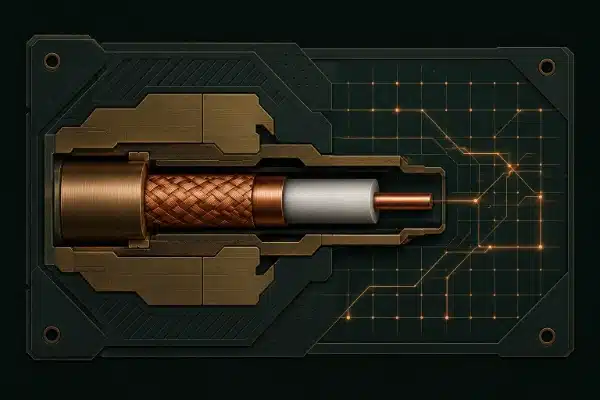 Legacy wiring complexity
 App-layer install
 Storage settings
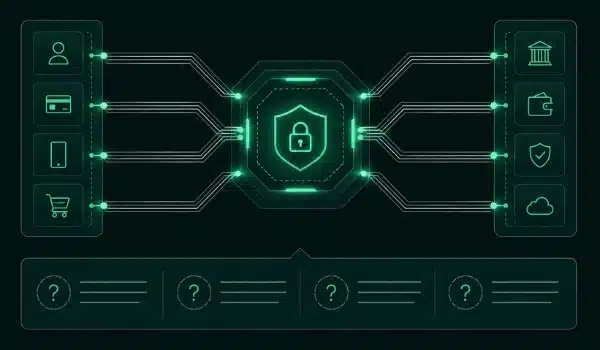 Network adapter
 Value verification seal